.webp)



Introduction
Understanding how diseases take root and progress requires looking deeper than genes alone. Proteins, especially in their native tissue context, reveal the true functional landscape of disease biology. From neurodegeneration and cancer to fibrosis and immune disorders, tissue proteomics is unlocking critical insights into how cellular systems break down.
One group of proteins stands out: plasma membrane (PM) proteins. These gatekeepers mediate cell–environment interactions, signal transduction, and serve as receptors for both drugs and pathogens. Their central role in cellular communication makes them prime candidates for biomarker discovery and therapeutic targeting.
However, PM proteins also illustrate the broader challenges of tissue proteomics: they're hydrophobic, embedded in lipid layers, and difficult to extract. Overcoming these technical barriers is essential for any successful disease-mechanism study.
Challenges: Extracting Meaning from Complex Tissue Samples
Tissue-based research provides richer biological relevance compared to cell lines—but with that comes added complexity. Researchers face three major hurdles:
● Limited sample availability: Especially in preclinical and patient-derived studies, tissues are often scarce, with only milligrams available.
● Proteome diversity: Tissue samples contain everything from soluble enzymes to embedded transmembrane receptors.
● Workflow reproducibility: Manual or inconsistent preparation methods risk masking subtle but meaningful biological changes.
For mechanistic disease studies—where researchers track minute shifts in protein expression, localization, or modification—high-quality, reproducible sample prep is essential.
Solution: BeatBox® — Optimized Tissue Homogenization for Proteomics
PreOmics® developed BeatBox®, a fast, compact, and efficient tissue homogenizer purpose-built for proteomics applications. Designed to work with limited and challenging samples, BeatBox transforms how scientists prepare tissue for LC-MS analysis.
Key advantages:
● Processes very small inputs (e.g., mg of brain, tumor, or fibrotic tissue)
● Maximizes protein recovery, including membrane-associated and hydrophobic proteins
● Delivers reproducible homogenization in just minutes
● Integrates seamlessly into workflows like iST for downstream LC–MS
By minimizing sample loss and maximizing yield, BeatBox ensures that critical biological information is preserved, giving researchers a clearer window into disease biology.
Results: Enhanced Proteome Coverage from Tissue
In head-to-head comparisons with traditional ultrasonication methods, optimized tissue homogenization using BeatBox demonstrated clear improvements:
● Increased protein identifications, especially for plasma membrane proteins
● Higher quantification signals, including CNS-relevant markers like the GABAB receptor (Gabbr1, Gabbr2)
● Effective use of scarce samples, enabling insights from previously unusable inputs
These results confirm that preparation matters—especially when studying diseases with subtle but significant protein-level changes.
Applications: From Discovery to Disease Understanding
Better tissue proteomics opens the door to high-impact discoveries across multiple fields:
● Neurology: Track molecular changes in neurodegeneration and neuroinflammation
● Oncology: Map tumor heterogeneity and uncover new therapeutic targets
● Fibrosis and inflammation: Identify key regulators and signaling cascades
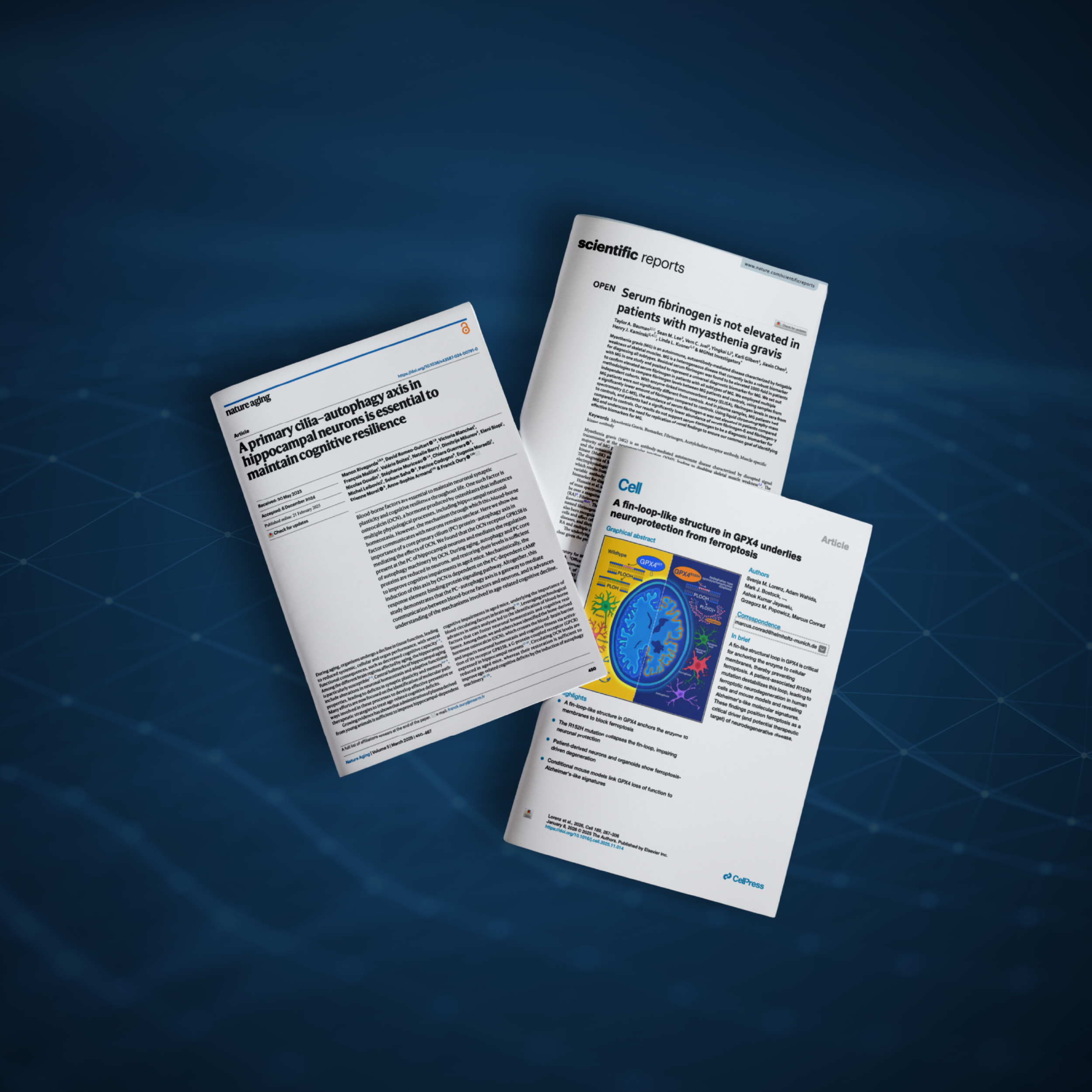
For example, researchers using optimized tissue workflows identified ADAMTS12 as a key mediator of fibrosis, as reported in a study published in the Journal of Clinical Investigation. Similar approaches are already transforming the understanding of Alzheimer’s disease, cancer metastasis, and autoimmune conditions.
Conclusion: High-Quality Inputs Drive High-Impact Discovery
Effective tissue homogenization is the critical first step in any successful proteomics study. With BeatBox® and complementary technologies like iST, PreOmics® empowers researchers to:
● Expand proteome coverage, even forhard-to-detect membrane proteins
● Improve data reproducibility and sensitivity
● Extract maximum insight from minimal tissue inputs
By starting with high-quality, standardized sample prep, scientists can confidently explore how diseases emerge and progress—fueling the development of new biomarkers, drug targets, and precision therapies.